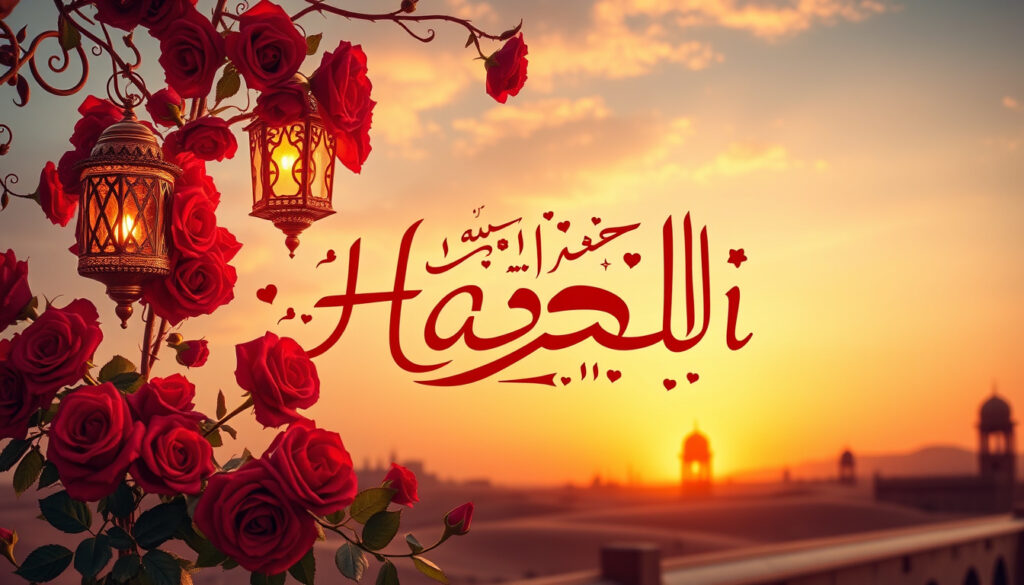
What Does Habibi Mean? Arabic Slang for ‘My Love’ Explained
Habibi literally translates to “my love,” but the everyday Arabic usage reveals a much wider emotional range—friendship, respect, and casual affection often without any romantic intent at all.
Literal Translation: My love · Origin Language: Arabic · Common Usage: Term of endearment or friend · Gender Forms: Habibi (male), Habibti (female) · Cultural Context: Levantine Arabic slang
Quick snapshot
- “Habibi” literally means “my love” or “my beloved” from the Arabic root H-B-B meaning “to love” (Arab America)
- Exact flirtation intent without additional tone or relationship context (Meanary)
- Word gained global visibility through Arabic music in the 2010s and Western pop artists like Drake (Arab America)
- Understanding the cultural gap: why Western perceptions often misinterpret casual Arabic warmth as romantic interest (Meaning of Arabic)
The table below organizes the essential facts about “habibi”—where it comes from, how it works, and what to watch for.
| Label | Value |
|---|---|
| Literal Meaning | My love (habib = love + i = my) |
| Primary Language | Arabic (Levantine dialects) |
| Male Form | Habibi |
| Female Form | Habibti |
| Pronunciation | ha-bee-bee |
| Arabic Root | H-B-B (to love) |
| Cultural Weight | Reflects warmth, hospitality, and social bonding in Arab conversations |
What Does Habibi Mean?
“Habibi” (حبيبي) is an Arabic term of endearment that literally translates to “my love,” “my darling,” or “my beloved.” The word derives from the Arabic root habib, meaning “beloved,” combined with the possessive suffix -i, meaning “my.” This makes “habibi” literally “my beloved” or “my love” in its most direct translation.
According to Meaning of Arabic (a linguistic reference covering grammar and regional variants), the word is pronounced “ha-bee-bee” and belongs to a family of affectionate terms in Arabic. The Arabic language contains at least 11 different ways to express love, with “habibi” standing as the most commonly used endearment across Arab communities.
The literal translation is straightforward—”my love”—but the everyday usage reveals a much wider emotional range that includes friendship, respect, and casual affection.
Literal translation and etymology
The etymology traces back to the triliteral root H-B-B (ح ب ب), which forms the basis for words related to love and affection throughout Arabic. As documented by HabibiPlz (a linguistic guide on Arabic expression), this root appears across related terms like hubb (love, noun) and habib (beloved), establishing “habibi” as part of a rich semantic field for expressing emotional connection.
What Does Habibi Mean to a Guy?
When a man calls another person “habibi,” the meaning depends entirely on context. In casual male friendships across the Middle East, “habibi” functions similarly to English expressions like “bro,” “dude,” or “my friend”—conveying warmth and camaraderie without romantic undertones.
Meanary (a language guide covering contexts, regional variants, and usage tables) notes that the term frequently expresses care, kindness, or respect rather than romantic love. A man might call his male colleague “habibi” in a business setting where they share history, or address a new acquaintance with the term as a gesture of hospitality.
Male perspective
Among men in Arab culture, “habibi” often signals friendliness and openness. The term reflects the cultural value placed on warmth in social interactions—particularly in regions like Lebanon, where Lebanon GLC Blog (a Beirut-based cultural perspective on daily Lebanese slang) describes it as “overused in daily Beirut life.” In Gulf countries, regional dialect variations add nuanced warmth to the expression, as documented by Meaning of Arabic.
Romantic vs. platonic
The romantic interpretation emerges when context or tone signals deeper affection—for example, during a dating conversation or when accompanied by terms of physical endearment. However, Meanary clarifies that even in romantic contexts, the term remains gender-neutral in Arab culture, functioning as one partner calling another “my love” regardless of gender.
Why Do Muslims Say Habibi?
Muslims use “habibi” not because of religious doctrine, but because it is woven into the fabric of everyday Arabic—the language of worship and daily life for roughly 420 million people across the Middle East and North Africa. The term crosses religious lines: it appears in Lebanese Levantine Arabic, Egyptian Arabic, Gulf dialects, and beyond, used by Muslims, Christians, and other communities throughout the Arab world.
Arab America (a cultural publication tracking expressions as cultural exports) reports that “habibi” and its feminine form “habibti” have become “arguably one of the Arabic world’s biggest cultural exports,” gaining global recognition through music and media that spans religious and ethnic boundaries.
Religious vs. cultural
While Arabic is the language of the Quran, and many Muslims naturally speak Arabic in daily life, the use of “habibi” reflects cultural tradition rather than religious mandate. The term functions identically in Christian Arab communities and in secular contexts. The warmth associated with “habibi” stems from Arab social norms around hospitality and interpersonal connection, which are culturally valued but not uniquely Islamic.
Regional variations
Regional dialects shape how “habibi” sounds and feels. In South Asia, youth have adopted the term casually through exposure to Arabic music and films, as Meanary documents. Western countries tend to perceive “habibi” as flirty or exotic precisely because it lacks the everyday context that normalizes it in Arab culture, creating a cultural gap in interpretation.
Is Saying Habibi Flirting?
The short answer: it depends. In Western contexts, “habibi” often gets perceived as romantic or flirtatious precisely because it translates to “my love.” However, within Arab culture, the word frequently operates much like calling someone “darling” might in British English—affectionate, but not necessarily romantic.
The HabibiPlz linguistic guide describes “habibi” as “the Arab ‘Romeo’s’ ‘Juliet,'” noting that it functions as a gender-neutral expression of affection. This means the same word can appear in purely friendly conversations or in intimate romantic exchanges—the distinction lies entirely in context, tone, and the relationship between speakers.
Flirtatious contexts
When used in dating apps, flirty texts, or romantic settings, “habibi” often does carry romantic intent. Meanary notes that in flirting or dating contexts, the term can imply romantic affection, especially when paired with other signs of romantic interest. Phrases like “hey habibi” in English-language slang have become recognized as flirtatious openers, even among non-Arabic speakers.
Casual everyday use
The majority of “habibi” usage in Arabic-speaking countries is decidedly non-romantic. Meaning of Arabic emphasizes that the term is “appropriate for friends in Arabic culture” and commonly appears in casual conversations between people with no romantic relationship whatsoever. Using “habibi” for females, incidentally, is a common beginner mistake—the grammatically correct feminine form is “habibti.”
For non-Arabic speakers engaging with Arab colleagues, friends, or communities: receiving a “habibi” is likely a gesture of warmth rather than a romantic advance. Misinterpreting it can create unnecessary confusion in cross-cultural interactions.
How Is Habibi / Habibti Used?
The gendered forms follow standard Arabic grammar: “habibi” is the masculine possessive form (“my love” addressed to a male or in gender-neutral casual speech), while “habibti” is the feminine form (“my love” addressed to a female). However, in Lebanese Arabic slang specifically, Lebanon GLC Blog reports that “habibi” is used unisex for both genders despite formal grammar rules—a reflection of how spoken dialects evolve independently from classical Arabic.
Examples in sentences
Common usage patterns include:
- “Ana uhibbuka habibi” — “I love you, my beloved” (Meaning of Arabic)
- “Shu halak, habibi?” — “How are you, my dear?” (Lebanese casual greeting)
- “Habibi jaan” — “my dear” with extra affection (variation adding “jaan” meaning “dear/life”)
- “Hey habibi” — a flirtatious English-language opener in online dating contexts (Meanary)
Gender differences
Arabic grammar creates a formal distinction that most learners encounter first: “habibi” for males, “habibti” for females. Meaning of Arabic warns that using “habibi” for females is a common beginner mistake. That said, spoken dialects—especially Lebanese slang—routinely ignore this rule, using “habibi” fluidly regardless of the listener’s gender.
If you’re learning Arabic or engaging with Arabic-speaking communities: default to the grammatically correct forms until you understand regional norms. But recognize that native speakers frequently bend these rules in everyday conversation.
Confirmed facts
- “Habibi” literally means “my love” or “my beloved” from the Arabic root H-B-B
- The feminine form is “habibti”
- Pronunciation is “ha-bee-bee”
- Commonly used among friends, family, and in casual conversations beyond romance
- Appropriate for friends in Arabic culture
- Regional variations exist across Lebanon, Gulf countries, and South Asia
What’s unclear
- Exact flirtation intent without additional tone or relationship context
- Precise frequency of usage across all Arabic dialects (regional data varies)
- How non-native speakers are perceived when they adopt the term in cross-cultural contexts
What experts and native speakers say
The literal translation of “habibi” is “my love” or “my darling.”
— Lebanon GLC Blog (Beirut-based cultural perspective, 2012)
“Habibi” does not always mean romantic love. It often means care, kindness, or respect.
— Meanary (Language Expert Guide)
“Habibi” and “habibti” have been labeled as “arguably one of the Arabic world’s biggest cultural exports.”
— Arab America (Cultural Publication)
The implication: “habibi” travels well across cultures, but meaning shifts depending on context—a reminder that words carry cultural weight that literal translations often miss.
Related reading: French to English Translate Tools · Google Translate English to Spanish Guide
Habibi echoes through Arabic music and marketplaces as a term of endearment, with its origin usage and cultural guide detailing roots from the ḥ-b-b love foundation.
Frequently asked questions
What is the origin of habibi?
“Habibi” originates from Arabic, specifically from the root H-B-B meaning “to love.” It appears across Levantine, Egyptian, and Gulf Arabic dialects as a term of endearment. The masculine form is “habibi,” the feminine form is “habibti.”
How do you pronounce habibi?
The standard pronunciation is “ha-bee-bee,” with three syllables and emphasis on the second syllable. Regional accents may vary slightly, but this represents the most widely recognized pronunciation across Arabic-speaking regions.
What does habibti mean?
“Habibti” is the feminine form of “habibi,” addressing a female with “my love” or “my darling.” In standard Arabic grammar, females receive “habibti,” while males receive “habibi.” However, Lebanese and some other regional dialects use “habibi” unisex in casual speech.
Is habibi used outside Arab communities?
Yes. South Asian youth use it casually through music and film exposure. Western artists like Drake have popularized “habibti” in global pop music. In Western dating contexts, “habibi” is often perceived as flirty or exotic precisely because it lacks the everyday normalization present in Arab cultures.
Habibi in Arabic music?
Arabic music frequently uses “habibi” to express emotional warmth between romantic partners, friends, or family. The term appears in classic and contemporary Arabic songs across genres, from traditional Arabic music to modern pop fusion tracks that reach global audiences.
Difference between habibi and ya habibi?
“Ya habibi” adds the vocative particle “ya” (equivalent to “O” or “hey” in English), creating “O my love” or “Hey my dear.” This form appears frequently in songs and direct address, adding emphasis or a calling tone to the endearment.
Habibi vs. other Arabic endearments?
Arabic has 11+ ways to express love, with “habibi” being the most common endearment term. Other expressions include “ya amar” (my moon), “qalbi” (my heart), and “ayouni” (my eyes). “Habibi” stands out as the most versatile, used across friend, family, and romantic contexts.
For anyone navigating cross-cultural conversations or learning Arabic, the word “habibi” serves as a case study in how language carries cultural context that literal translations miss. Understanding when warmth means friendship versus romance requires reading tone, relationship, and regional norms—not just the dictionary definition.
More related posts
 Cast of According to Jim: Full List, Changes & Now
 New Blood Pressure Guidelines – 2025 Key Changes
 The Four Seasons Miniseries: Netflix Season 2, Cast & Release
 How to Clean a Loofah – Expert Guide to Safe Bath Hygiene
 French to English Translate – Best Tools Compared 2025
 Natalie Viscuso (2021–Present) – Henry Cavill Relationship Timeline
 London Free Press Obituaries – Free Search and Archives Guide
 Play Solitaire Online Free – Best Sites No Ads